
Avoiding Common Mistakes During Tax Filing Season in Canada
Understanding the Basics of Tax Filing in Canada
Tax season in Canada can be a stressful time for many, but understanding the basics can help ease the process. Every year, Canadians are required to file their taxes by the end of April. This involves reporting your income, expenses, and any eligible deductions or credits to the Canada Revenue Agency (CRA). Being well-prepared can prevent common mistakes that lead to audits or penalties.
Gathering the Necessary Documents
One of the first steps in avoiding mistakes is ensuring you have all the necessary documents. This includes T4 slips from employers, receipts for deductible expenses, and any additional income statements. Missing or incorrect documents can delay your filing and may require amendments later on. It’s crucial to keep organized records throughout the year.
Common Errors in Reporting Income
Reporting income accurately is vital. One common mistake is forgetting to report all sources of income. This includes not only employment income but also investment income, rental income, and any side jobs. Failing to report all income sources can result in penalties. Double-check your T4s and other income statements to ensure accuracy.

Maximizing Deductions and Credits
To reduce your taxable income, it’s important to take advantage of available deductions and credits. Common deductions include RRSP contributions, moving expenses, and student loan interest. Likewise, credits such as the Canada Child Benefit can significantly impact your tax return. Always verify that you qualify for each deduction or credit to avoid issues.
Avoiding Calculation Mistakes
Calculation errors are another frequent pitfall. Whether you're calculating deductions, credits, or your total tax owed, errors can lead to incorrect filings. Using tax software or consulting with a tax professional can minimize these mistakes. These tools often have built-in calculators and checks to ensure accuracy.

Filing on Time to Avoid Penalties
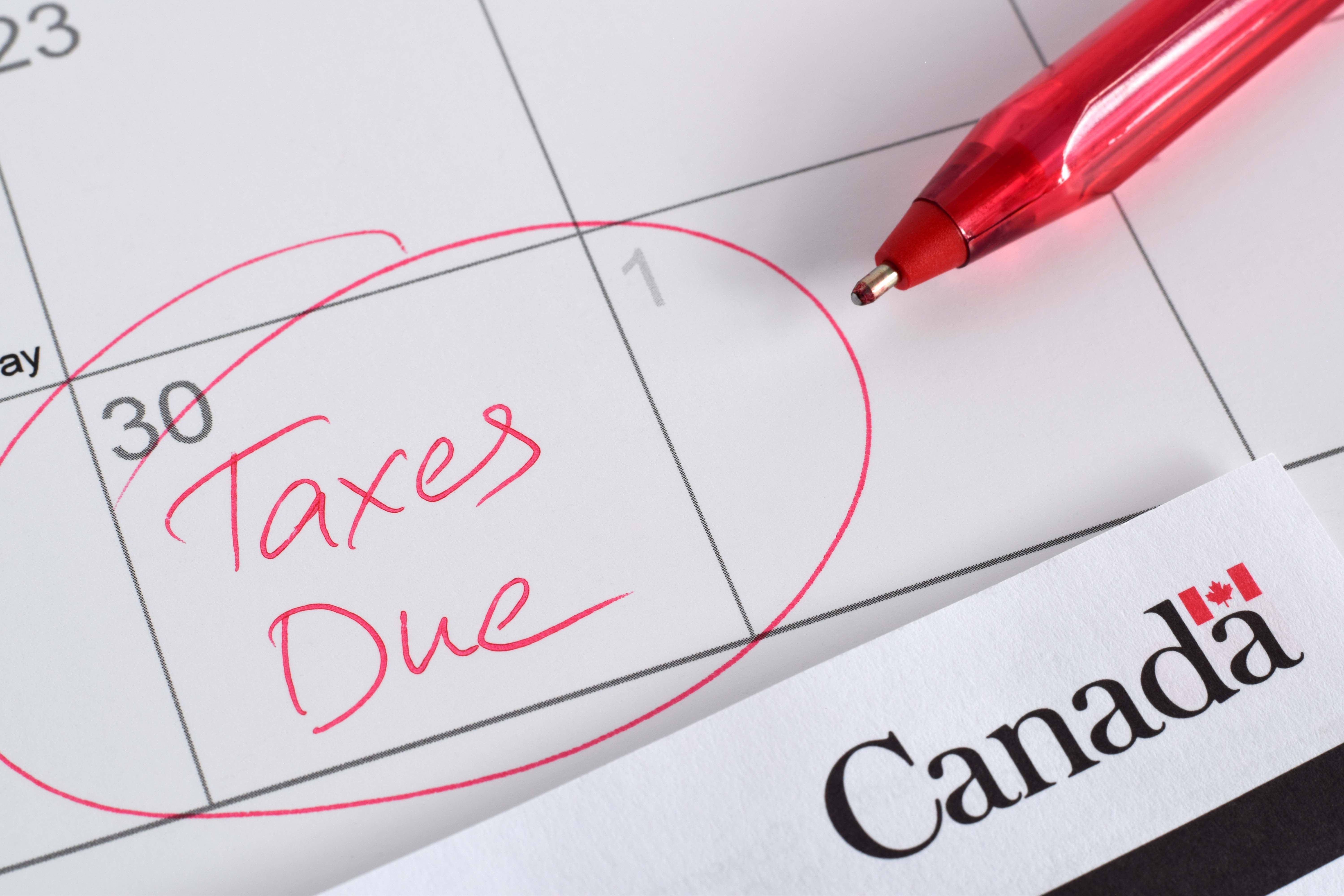
Filing your taxes on time is crucial to avoid late penalties and interest charges. The deadline for most individuals is April 30th. If you owe taxes and file late, you may face a penalty of 5% of the amount owing, plus 1% for each month your return is late, up to a maximum of 12 months. Planning ahead can help you meet this deadline.
Seeking Professional Help
If you find the tax filing process overwhelming, consider seeking professional assistance. Tax professionals can offer valuable advice and ensure your return is accurate and complete. They can also help identify deductions and credits you might have missed. The cost of hiring a professional can often be offset by the savings they uncover.

Staying Informed on Tax Changes
Tax laws and regulations can change from year to year. Staying informed about these changes is essential to avoid mistakes. You can keep up-to-date by visiting the CRA website or consulting with your tax professional. Awareness of new tax credits or changes in deduction limits can significantly impact your filing.
By following these guidelines, you can navigate tax season with confidence. Preparation, attention to detail, and seeking help when needed can make the process smoother and more efficient. Remember, the goal is not just to file your taxes, but to do so accurately and on time, maximizing your potential refunds and minimizing any liabilities.